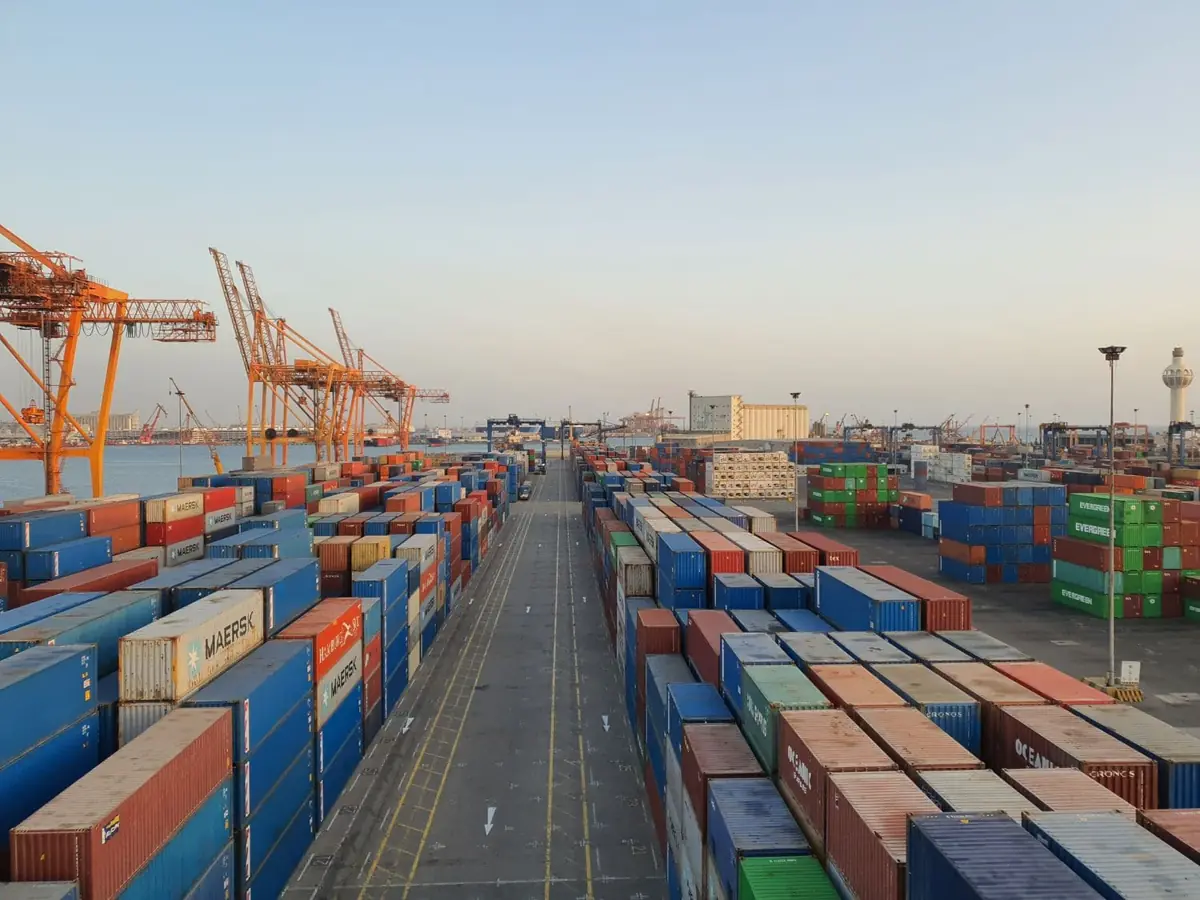
Logistics
Corridor freight between Indian ports, Jebel Ali and East African hubs, with warehousing, customs brokerage and 3PL partners.

Out of India
Company formation in Dubai for Indian companies, and business setup for Indian businesses expanding to the UAE: mainland or free zone, ODI structuring, bank account and visas. For wider GCC expansion advisory see the UAE and GCC corridor. For the UK see the India–UK corridor; for Europe the India–Europe corridor; for Africa the India–Africa corridor.
Company formation
The first decision is not the trade licence. It is what the Dubai company is for, and how the Indian parent will fund it.
A mainland company, licensed by the Dubai Department of Economy and Tourism, can trade anywhere in the UAE, and most activities now allow full foreign ownership. A free zone company suits activities the zone licenses and trade outside the UAE, with its own office and visa rules.
Once the structure is chosen, we take the company through the trade licence, a lease, the corporate bank account, visas and UAE tax registrations, so the entity can actually operate.
If the capital comes from India, the investment must meet India’s Overseas Direct Investment rules, through an authorised dealer bank, before the remittance. We structure the parent and the Dubai entity together. See also India–UAE and GCC market entry advisory.
What we do
Etorno Global works on both sides of the border. We know what a Gulf family office or a London board needs to approve, and how an Indian company should be structured to get there.
Overseas investment structured under India's ODI rules, so the parent in India and the entity abroad are set up correctly from the start.
Company setup in the UAE's free zones or on the mainland, and UK entities for Indian technology and AI firms.
Joint ventures, distributors and local partners in each market, vetted before you commit.
Bid strategy and consortium building for public tenders and public private partnerships in the Gulf and Africa.
Introductions to family offices and institutions, with institutional capital for expansion structured under the ODI framework.
For founders moving with their families, family office setup in Dubai, DIFC and ADGM, plus Golden Visa and UK routes.
The corridors
The Gulf, the UK and Africa below, and Europe beyond the UK as the India–EU FTA moves to signature. See the India–Europe corridor.
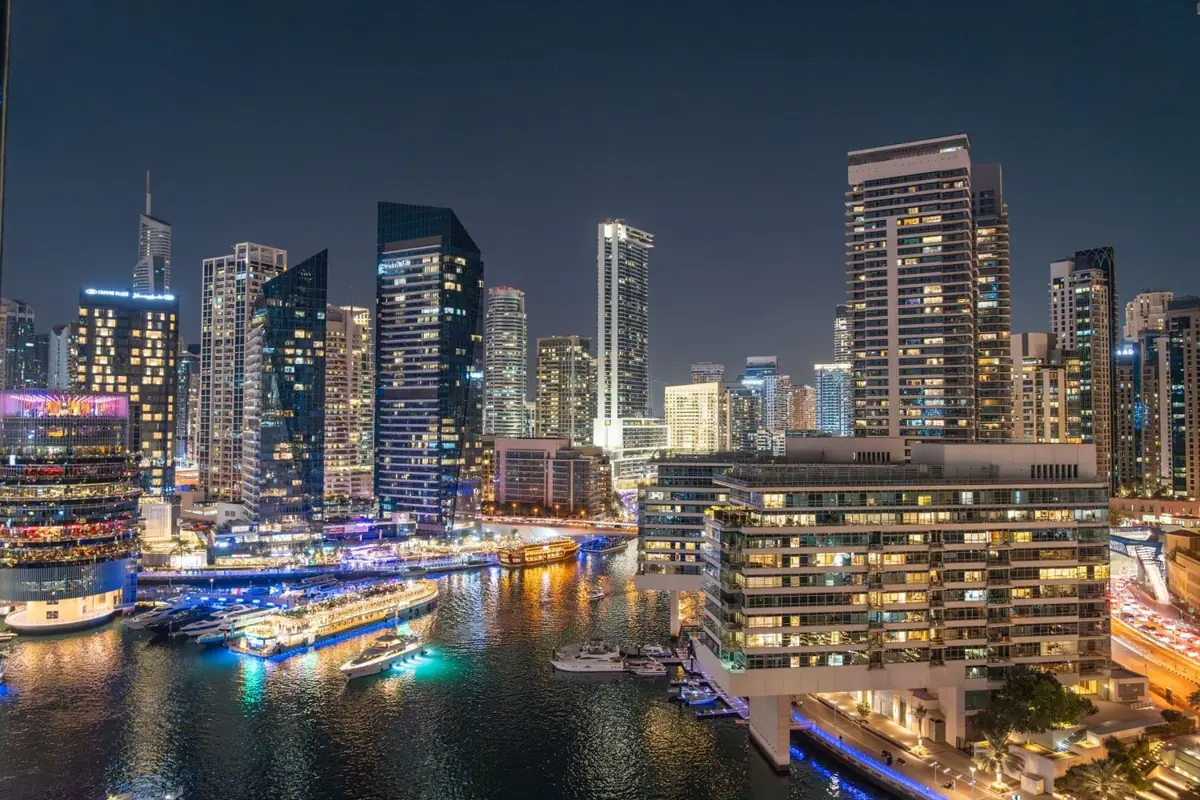
Our Gulf work runs from Dubai, where we partner with family offices that invest across the region. From Dubai we work across the UAE's free zones, Bahrain and Saudi Arabia's Vision 2030 programmes.

The India–UK CETA opens new routes for services, technology and consumer brands. We set up UK entities for Indian technology and AI firms, and help Indian technology firms win clients in London.

India is one of Africa's largest trading partners. We help Indian companies in logistics, infrastructure, pharma and technology enter fast growing African markets, through local partners and government tenders.
Sectors
Corridor freight between Indian ports, Jebel Ali and East African hubs, with warehousing, customs brokerage and 3PL partners.

Gulf and UK property for Indian investors and families, and commercial and industrial investment in both directions.

Indian technology firms winning clients in London and the Gulf, and AI and data centre investment.
How we work
We assess your model and target markets to find the entry point with the least friction and risk.
The legal, tax and operating structure for your footprint, built for control as you scale.
Partners, approvals, operations and the launch itself, coordinated on the ground.
New markets, new investors and the next phase of growth, through the same corridor.
Contact
Every engagement starts with a no obligation strategy call. Our advisers usually respond within one business day.
Questions
We structure overseas investment under India's Overseas Direct Investment (ODI) rules, then set up the entity abroad: a free zone or mainland company in the UAE, or a UK company.
The Gulf (the UAE, Bahrain, Saudi Arabia, Qatar, Oman and Kuwait), the United Kingdom (London, Manchester, Birmingham and Edinburgh) and Africa (Kenya, Nigeria, South Africa, Tanzania, Rwanda and Egypt). For the Kingdom, see Saudi Arabia market entry for Indian companies.
Yes. We bring Indian growth companies to institutional investors across the GCC and the UK, with growth equity and strategic investors structured under the ODI framework. Our network includes Royal Family Offices (RFOs) and their group entities, family offices, VCs and other private financial institutions. Every introduction is qualified on both sides.
Through local partners and joint ventures, public tenders and consortium building. The African Continental Free Trade Area opens a wider market from one entry point. See the India–Africa corridor.
Yes. Company formation in Dubai for Indian companies is a core part of our Out of India work: we help you choose mainland or free zone, obtain the trade licence, open the bank account and arrange visas, and we structure the investment from India under the ODI rules. Wider expansion across Saudi Arabia and the rest of the GCC is covered in our GCC expansion advisory on the UAE and GCC corridor.
First choose between the mainland and a free zone. A mainland company, licensed by the Dubai Department of Economy and Tourism, can trade anywhere in the UAE, and most activities now allow full foreign ownership. A free zone company suits activities the zone licenses and trade outside the UAE, with its own office and visa rules. Then come the trade licence, a lease, the corporate bank account, visas and UAE tax registrations. If the money comes from India, the investment must also meet India's ODI rules. We confirm the right structure for your activity in a discovery call.
Under the Foreign Exchange Management (Overseas Investment) Rules and Regulations, 2022, an Indian company can usually invest in a UAE company engaged in a bona fide business under the automatic route, without prior RBI approval. Its total financial commitment abroad, including equity, loans and guarantees, generally must stay within 400% of its net worth on the last audited balance sheet. The investment runs through one authorised dealer bank: Form FC is filed and a Unique Identification Number obtained before the remittance, and an Annual Performance Report is due each year by 31 December. Resident individuals invest within the Liberalised Remittance Scheme limit, subject to further conditions. This is general information, not legal advice; we confirm the route with your bank and advisers.